2024 Koluszki Museum
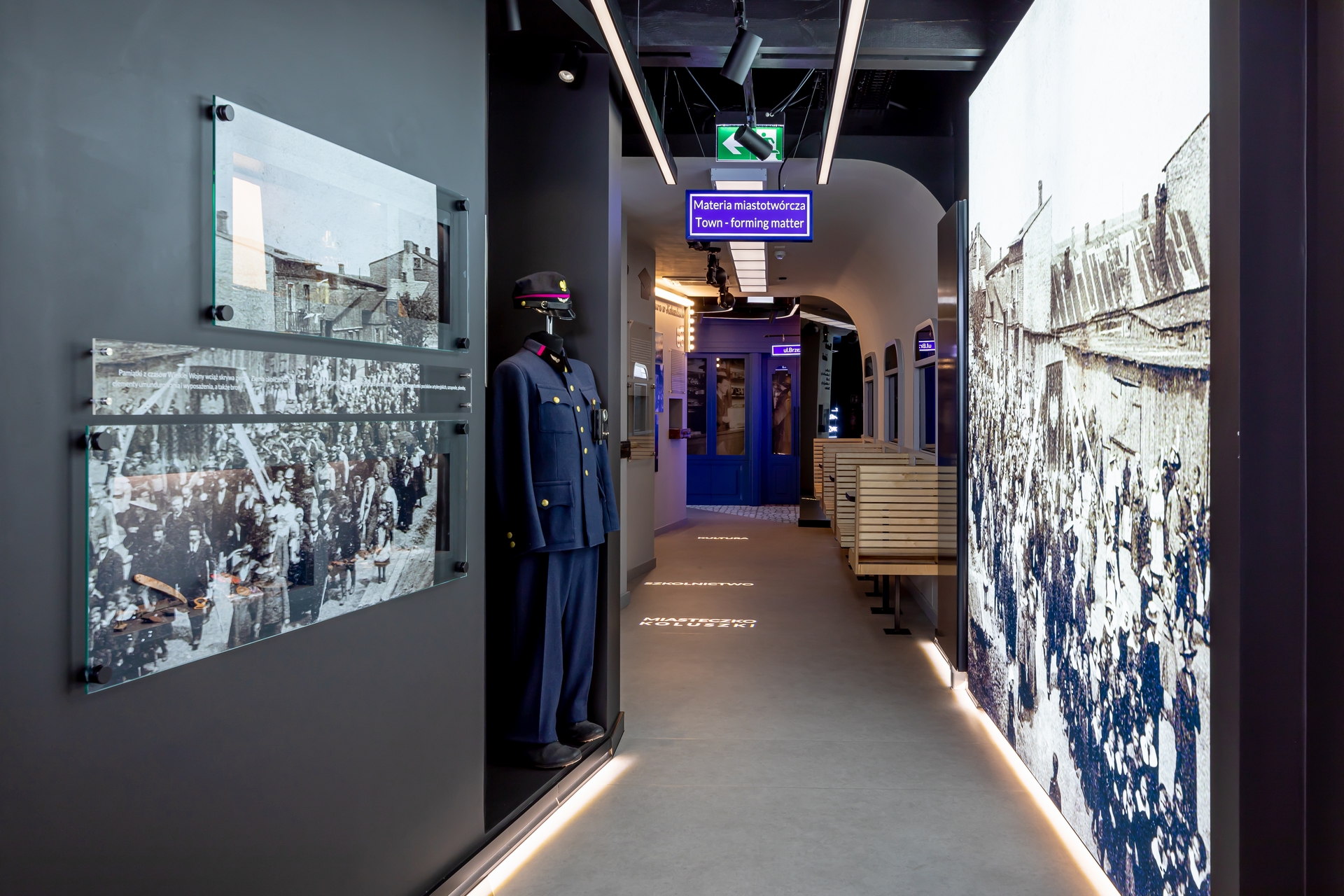
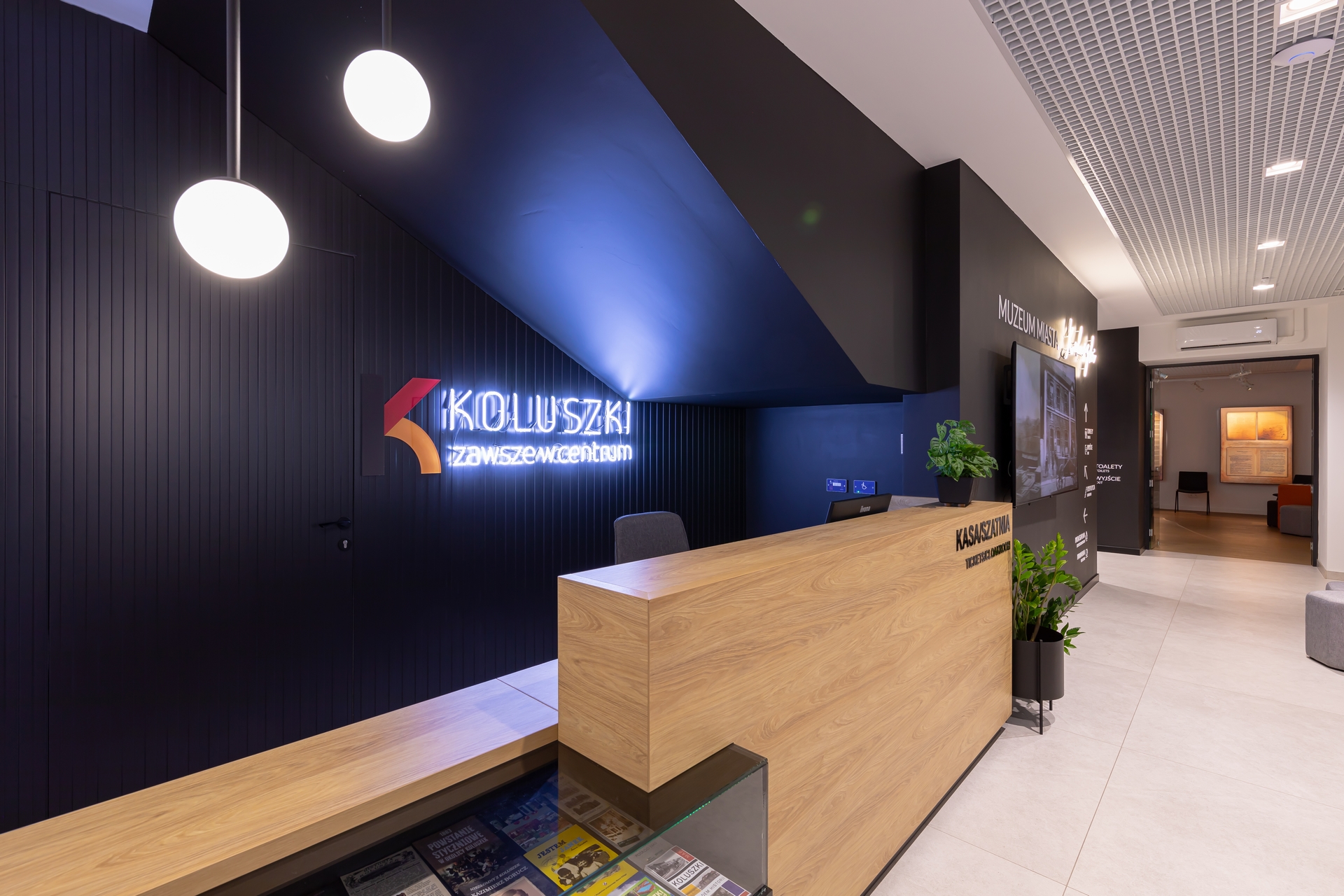
The Koluszki Museum is a place where history meets modern technology, creating a space full of interaction and sensory experiences. Our work covered the complete design, supply, installation and commissioning of advanced multimedia, sound and lighting systems that together create a coherent, engaging exhibition narrative. From the very first step, visitors enter an environment that responds to their presence with light, image and sound, and every element of the exhibition guides them through the town’s history in an intuitive and appealing way.
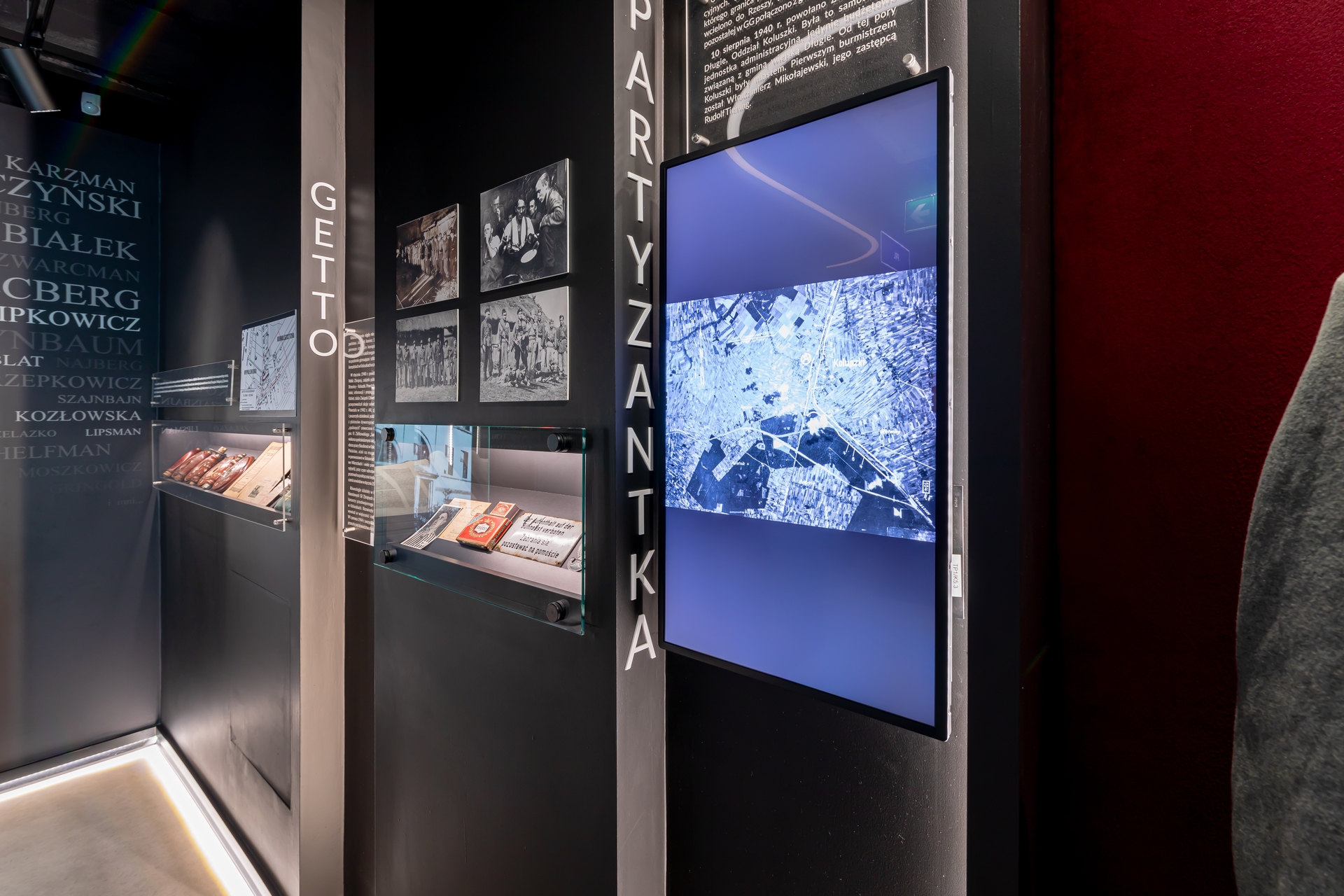
In the museum’s circulation areas we installed a Digital Signage system with large, easy-to-read information screens for the dynamic presentation of content, news and multimedia. It is integrated with a central management system that makes it easy to update content and gives full real-time control over what is displayed. The exhibition rooms feature multimedia projections, touch screens and interactive kiosks that turn passive viewing into an active experience. A particular highlight is a multimedia totem with a “virtual mirror”, which lets visitors become a railway worker and take a souvenir photo, drawing them into the exhibition’s story.

In the museum’s circulation areas we installed a Digital Signage system with large, easy-to-read information screens for the dynamic presentation of content, news and multimedia. It is integrated with a central management system that makes it easy to update content and gives full real-time control over what is displayed. The exhibition rooms feature multimedia projections, touch screens and interactive kiosks that turn passive viewing into an active experience. A particular highlight is a multimedia totem with a “virtual mirror”, which lets visitors become a railway worker and take a souvenir photo, drawing them into the exhibition’s story.
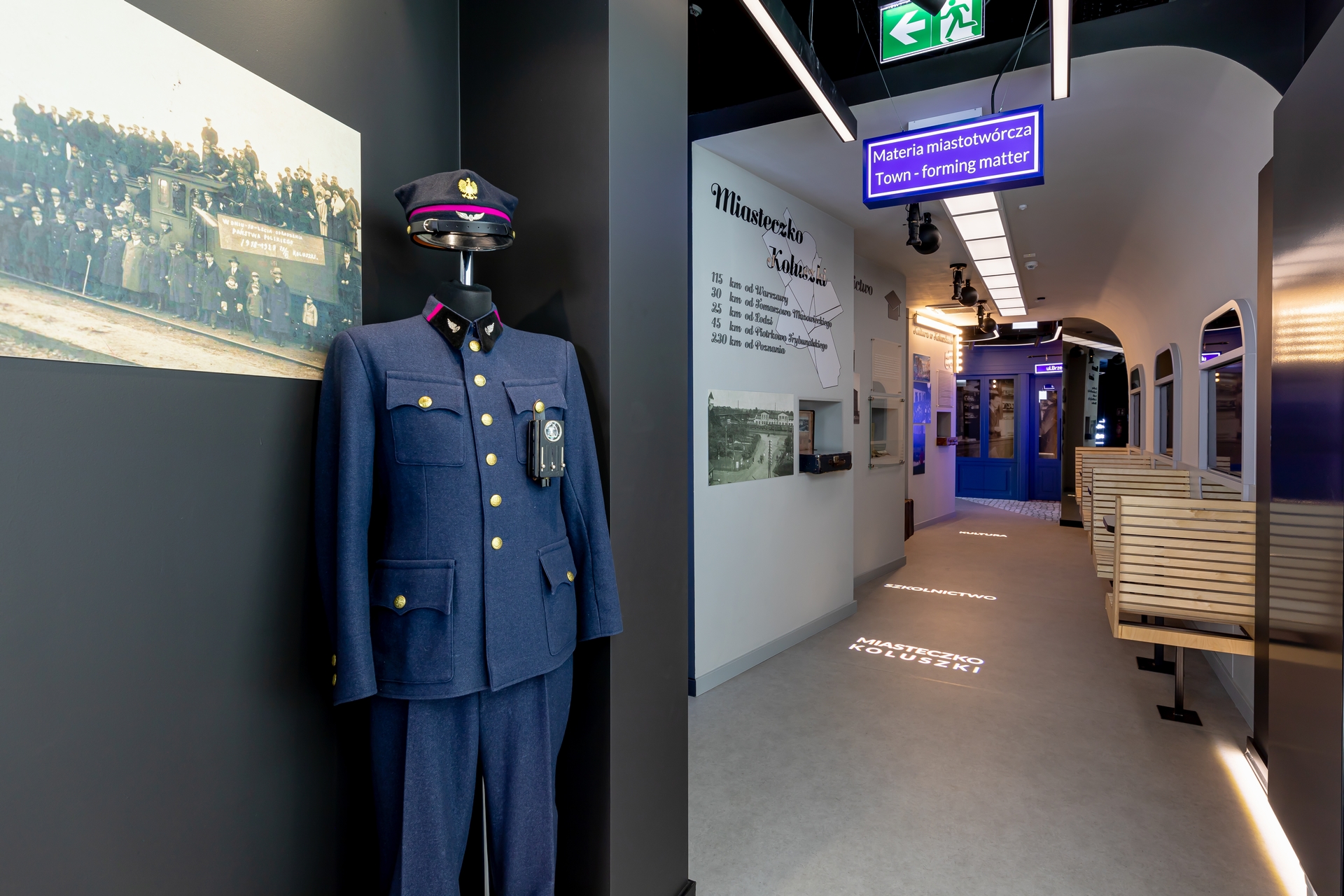
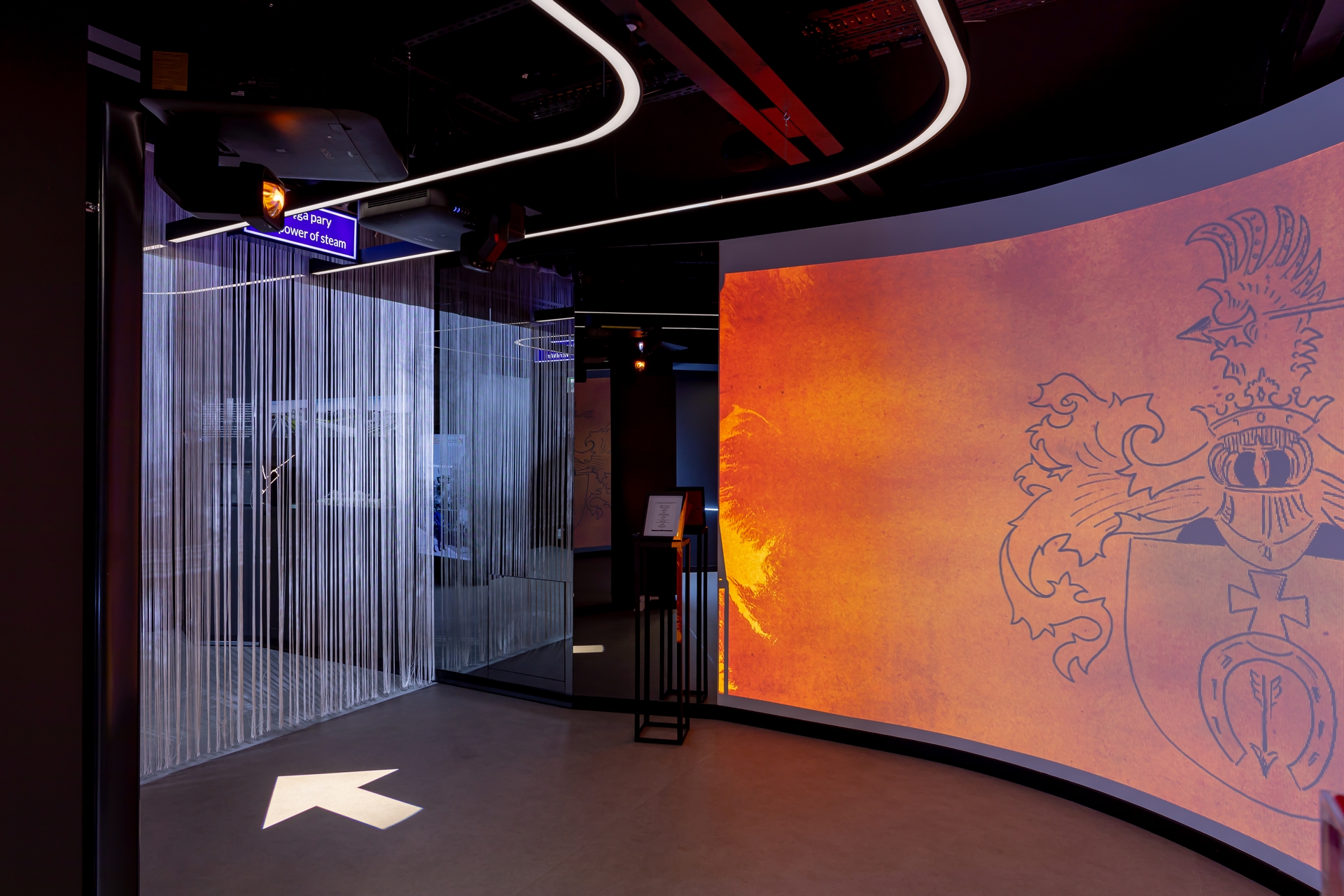
Here, the image has become a narrator in its own right. High-brightness laser projectors allow classic film projection, curved-surface projection, projection onto unusual surfaces such as string curtains, and GOBO projection that draws symbols and graphics directly onto the floors. As a result, every room has its own character, and the image blends harmoniously into the exhibition design.
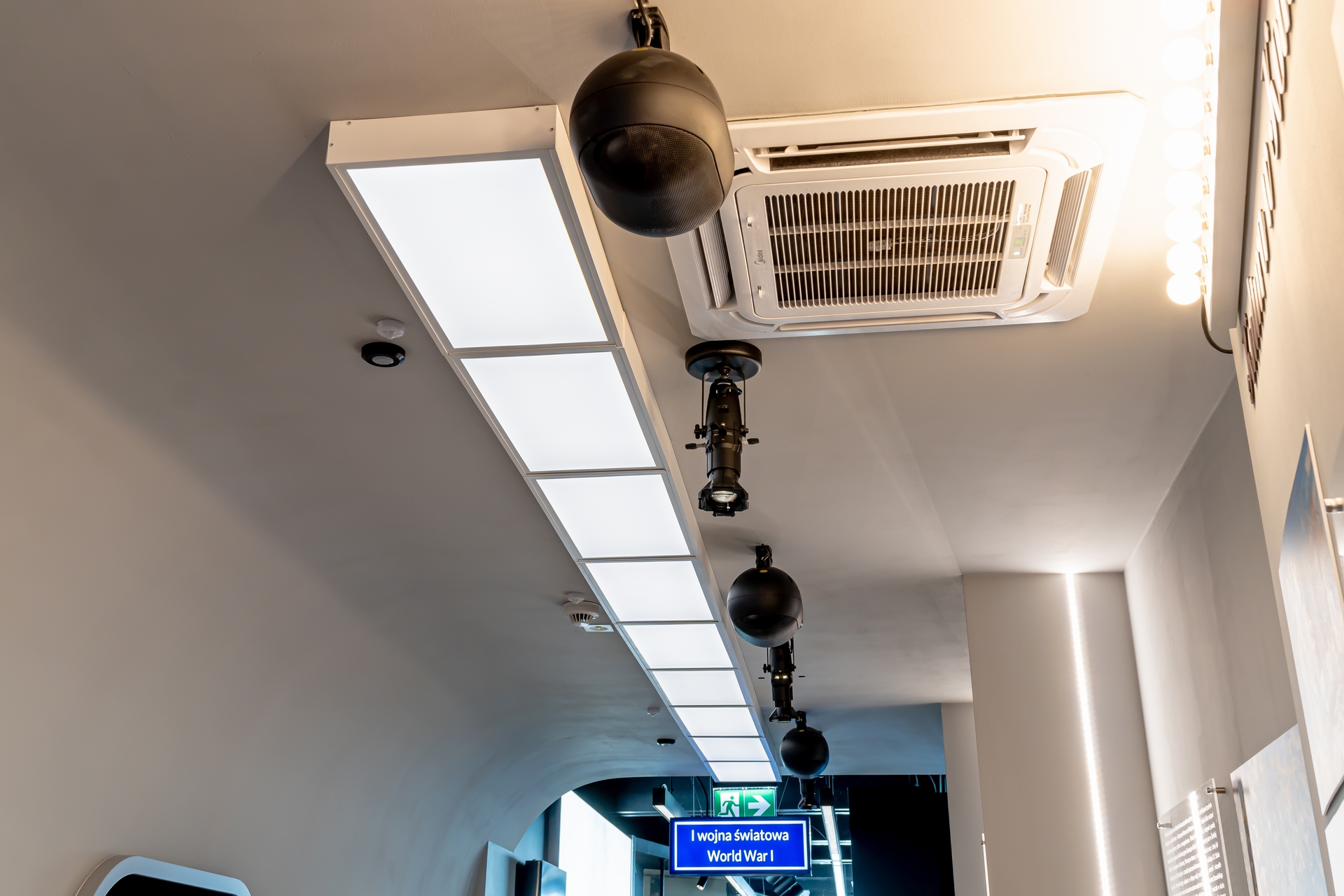
Sound is just as important – it builds atmosphere and directs visitors’ attention. Sound systems were designed separately for each zone of the museum, from open spaces and projection rooms to staircases. Ceiling and pendant loudspeakers as well as headphone listening stations allow precise control of sound and prevent narration from spilling over between exhibits. Everything is based on a central DSP processor, installation amplifiers and networked audio control, ensuring full synchronisation with the multimedia and lighting.
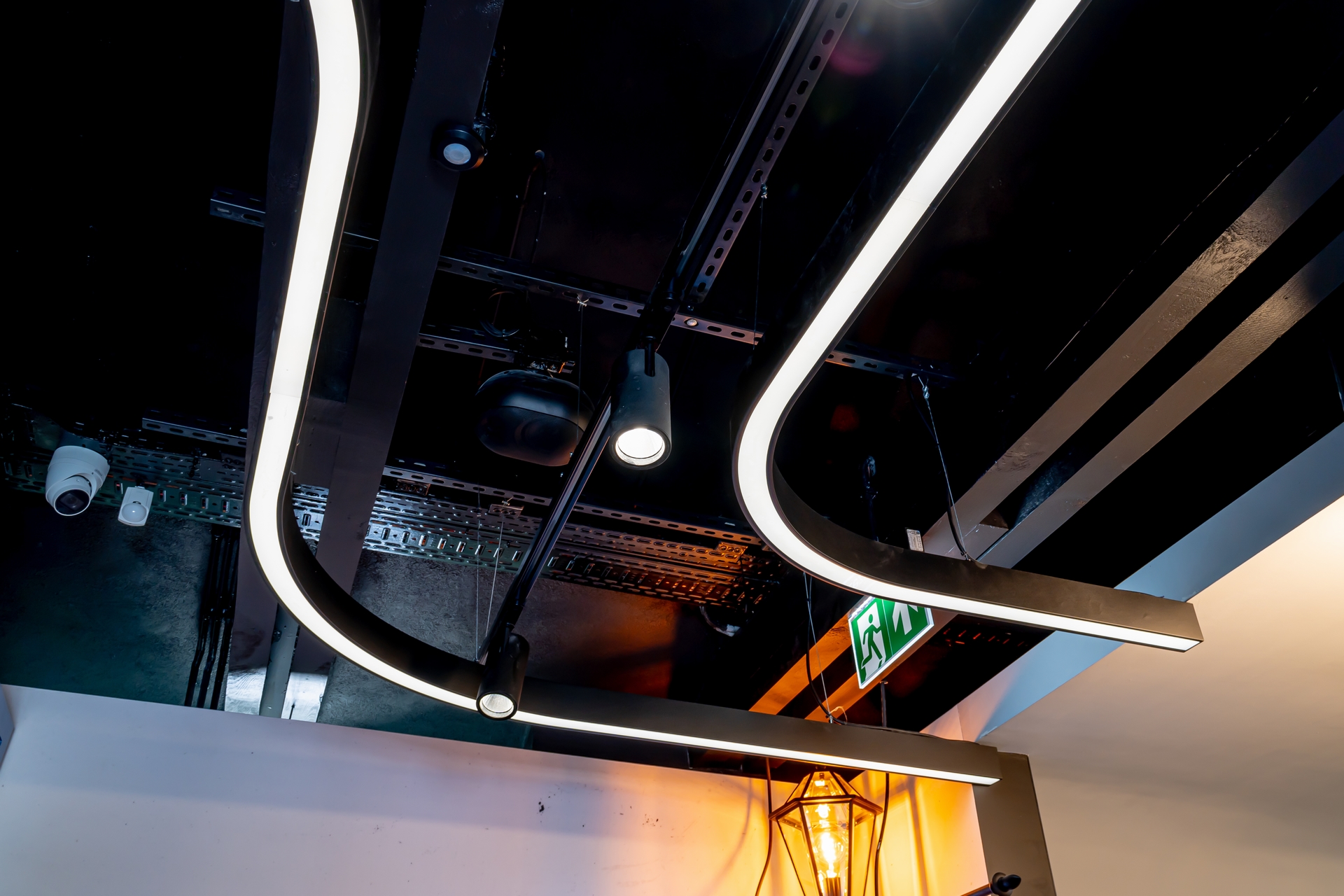
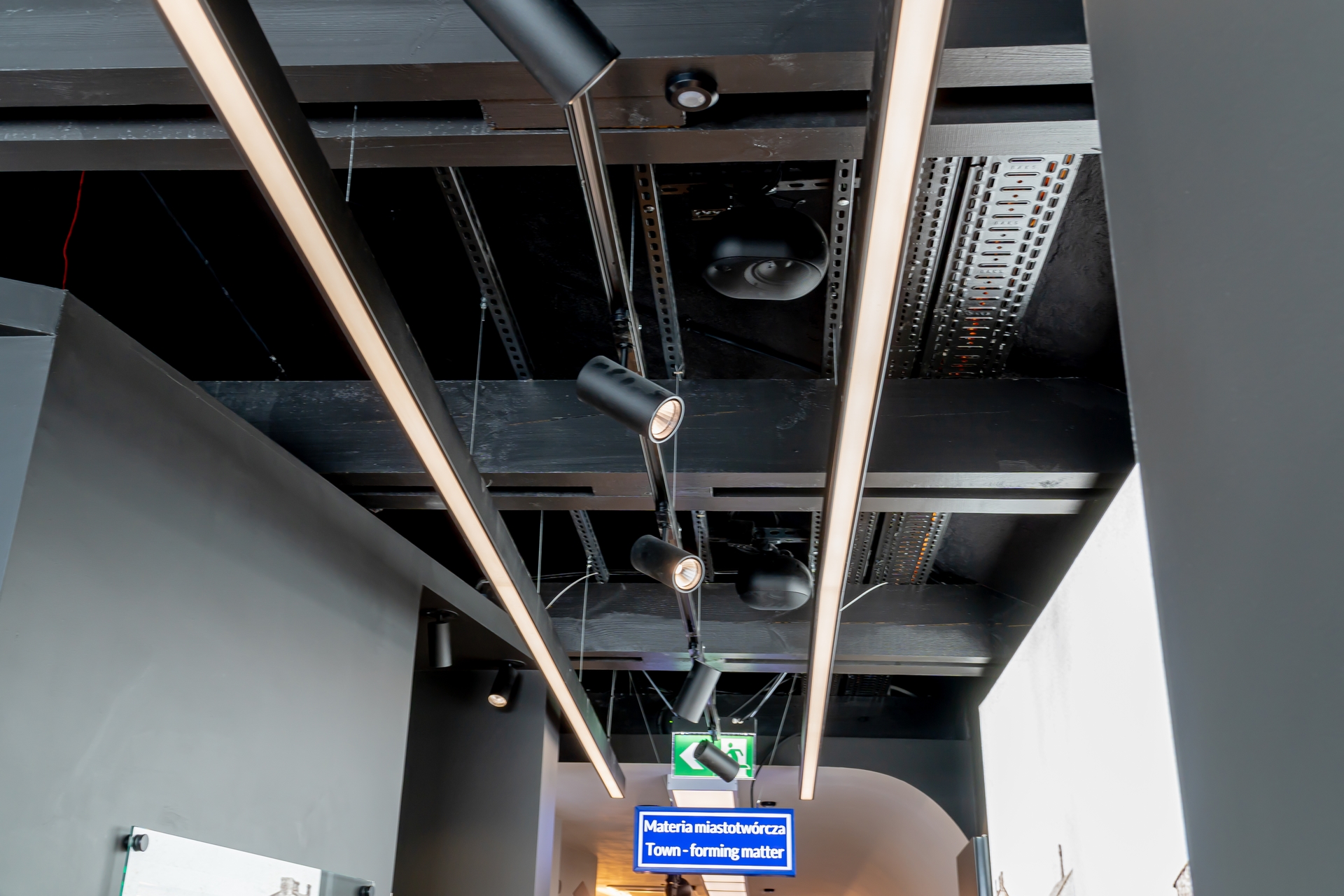
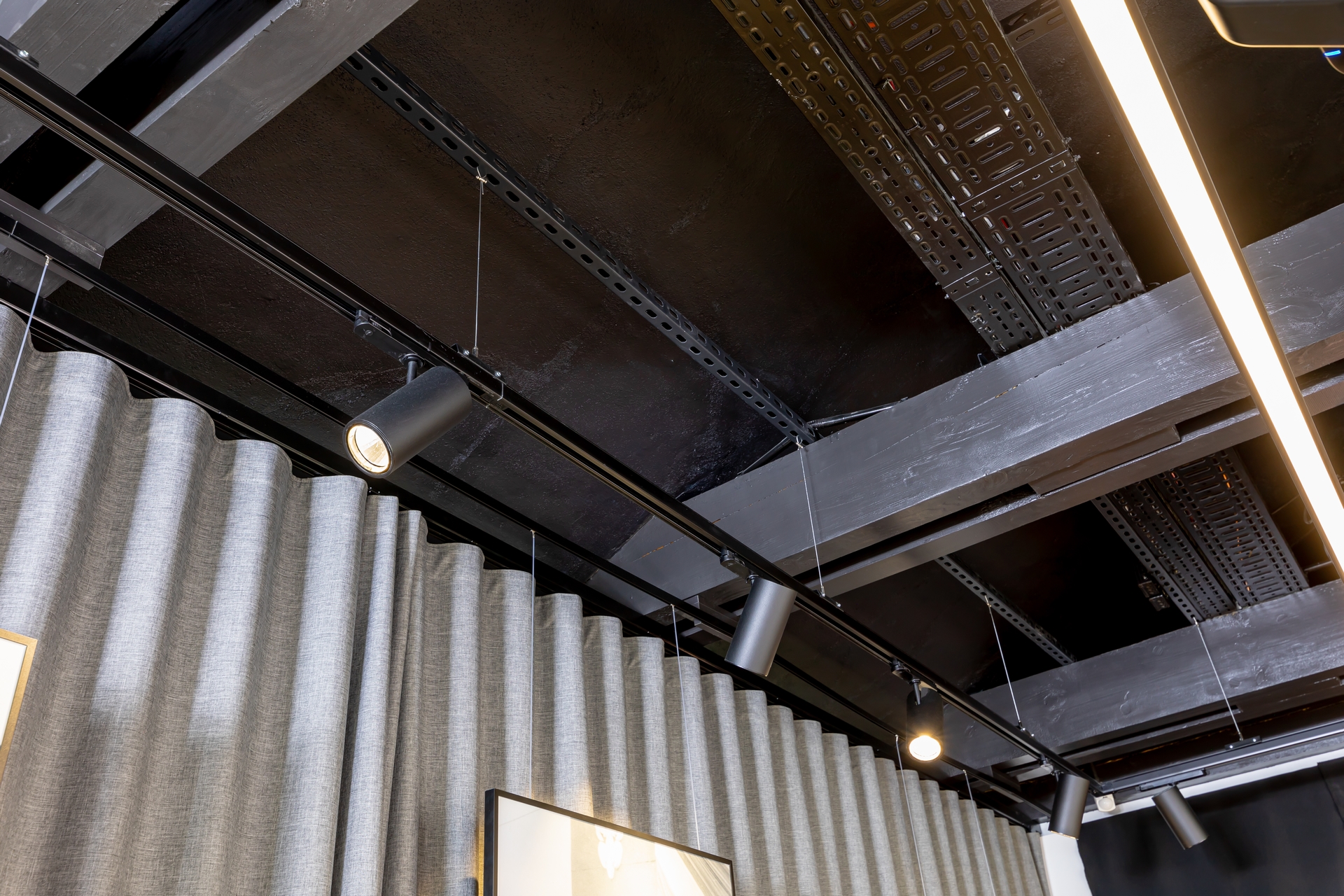
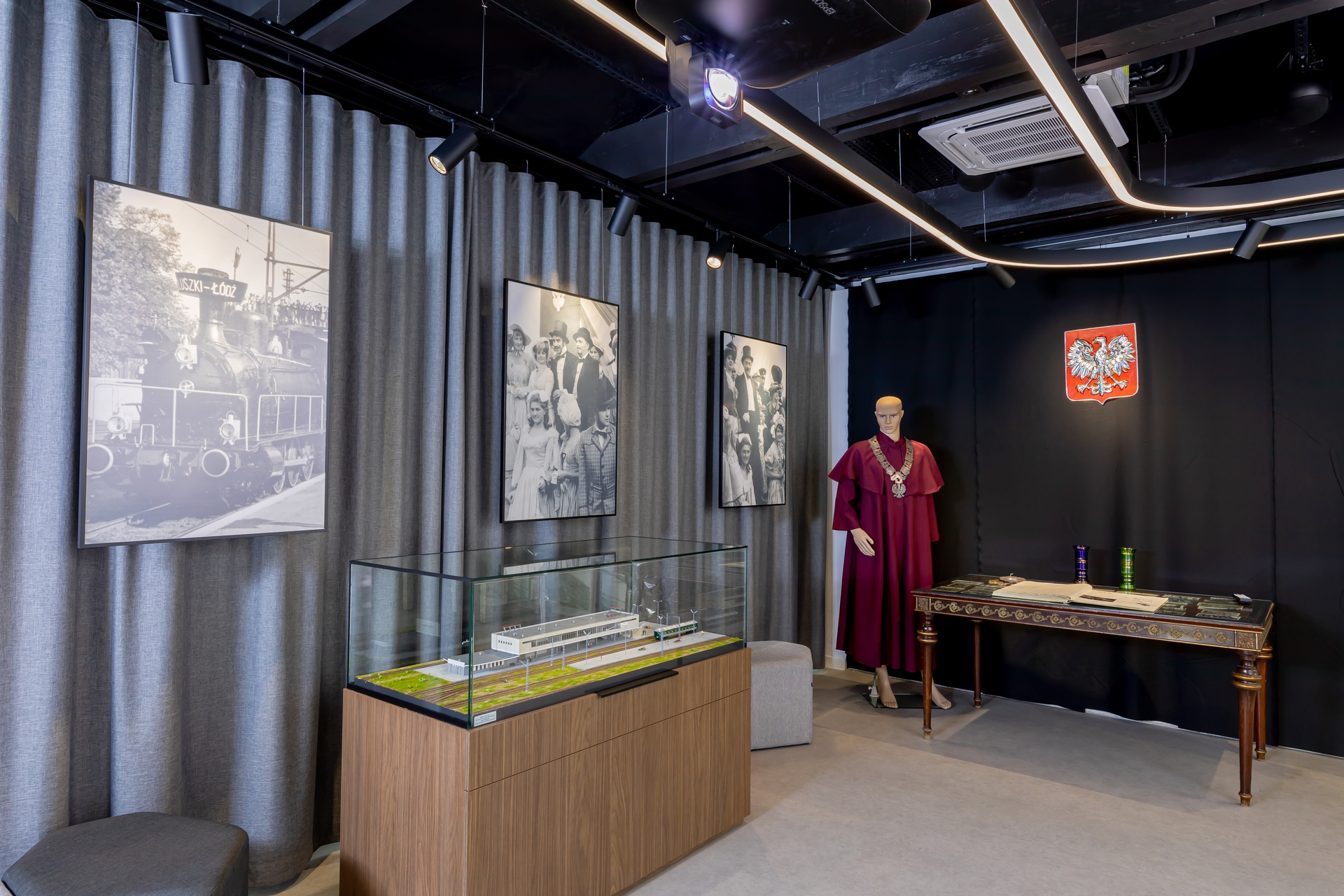
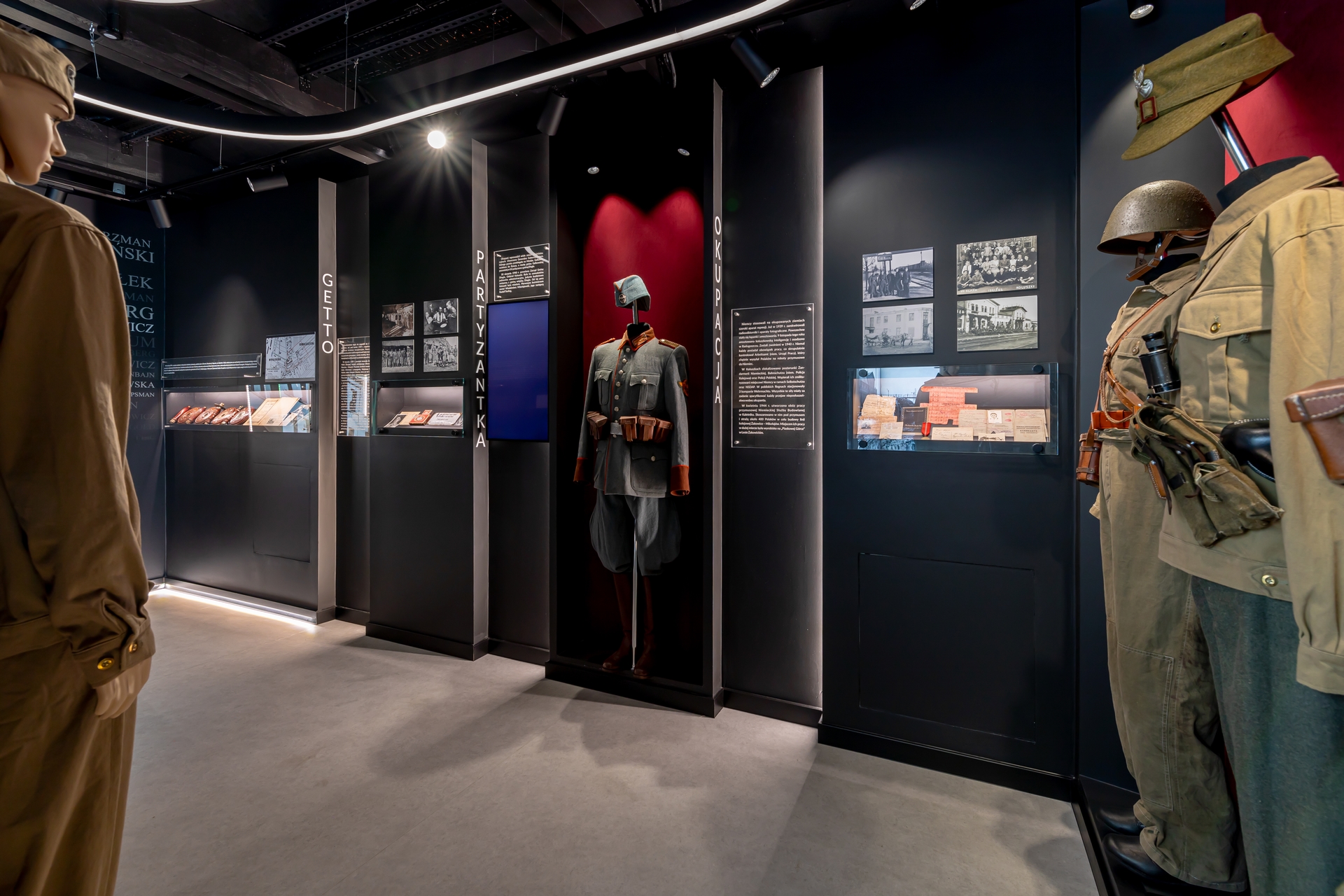
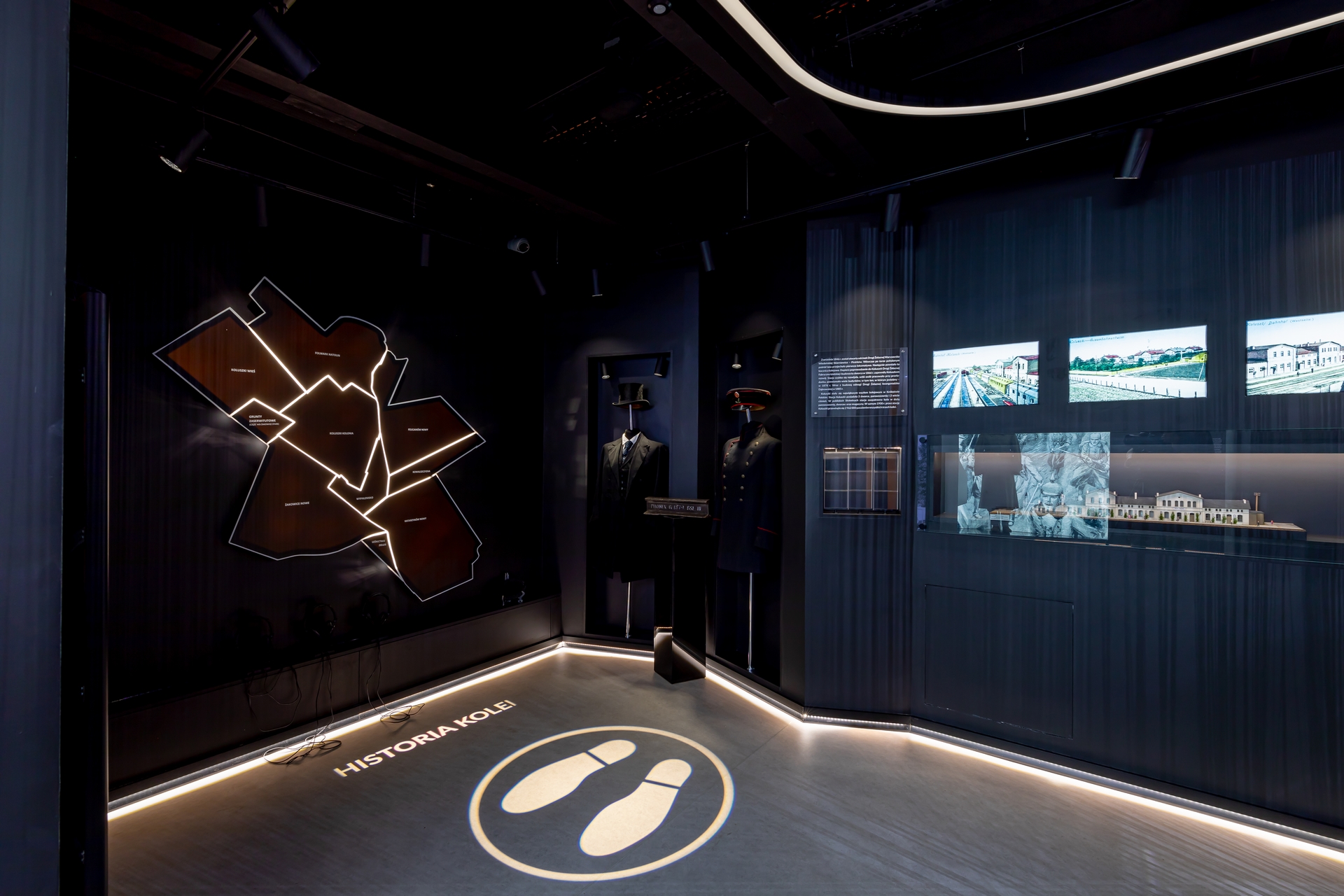
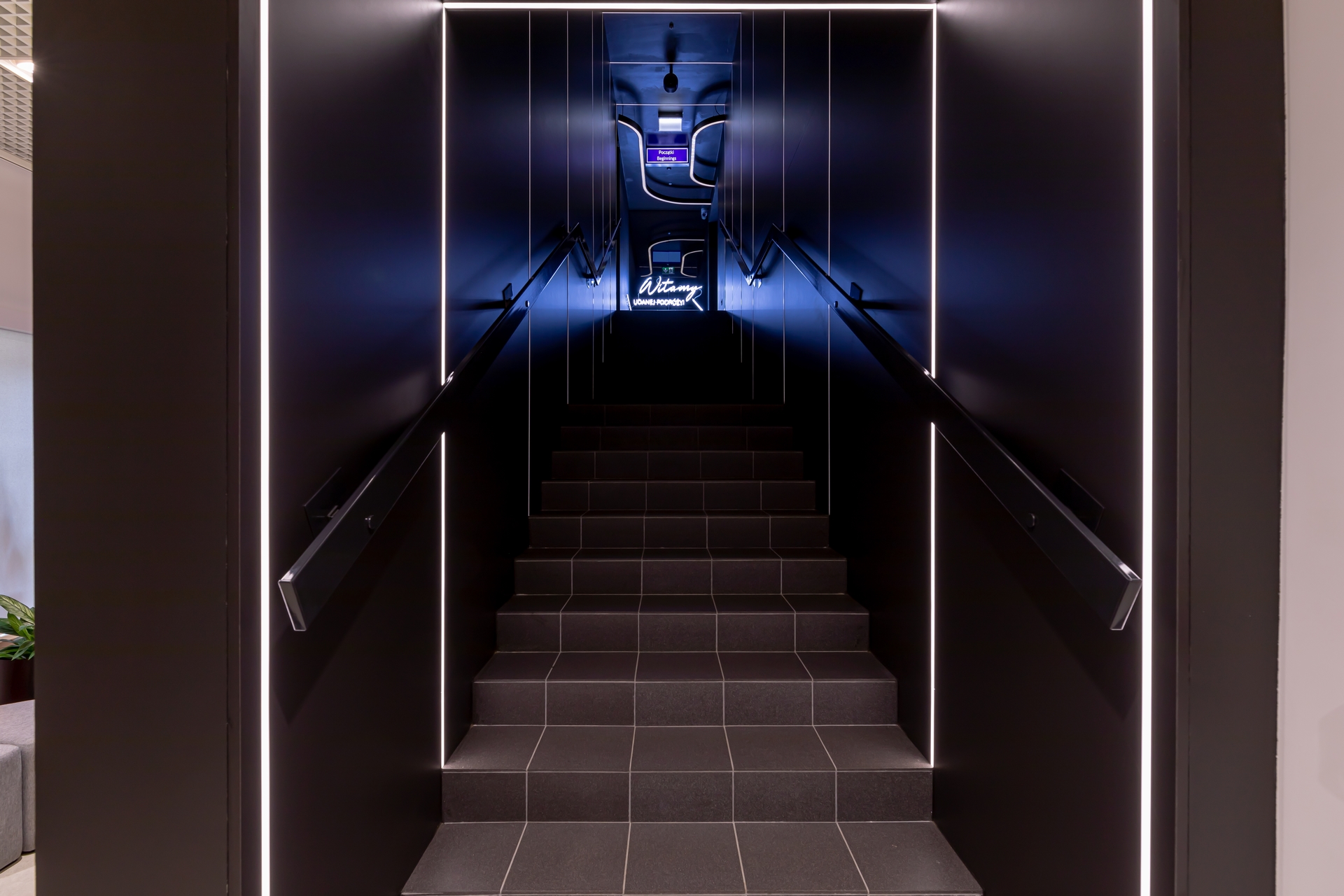
An integral part of the project is the exhibition and interactive lighting, which not only showcases the objects but also guides visitors and reinforces the narrative. The museum uses track systems with gallery spotlights that allow light to be framed precisely, as well as LED lighting in the form of “railway tracks” suspended from the ceiling. Lighting is controlled via DMX and DALI, allowing smooth scene changes, dynamic shifts of mood in the rooms and synchronisation of lighting effects with projections and sound.
At the heart of the entire system is a central rack cabinet housing the Digital Signage servers, audio processors, amplifiers, AV control systems and network infrastructure. It is integrated with automation that starts exhibits when motion is detected, synchronises light, image and sound, schedules system operation and allows remote management and diagnostics. Dedicated touch panels give operators smooth control over multimedia, lighting and sound, both during events and in the museum’s day-to-day operation.
The end result is a modern multimedia space that engages visitors of all ages, tells history in an appealing and accessible way, combines tradition with modern technology, and offers flexibility for future development and easy content management. It is a project in which technology does not overshadow history but allows it to be fully experienced, making the Koluszki Museum a place where every visit is both an educational and an emotional experience.